As the summer heat fades, fall brings cooler weather and a new set of environmental factors like fallen leaves, increased moisture, frost, and freezing temperatures that can take a heavy toll on fabrics, shade structures, and marine gear if left unattended.
A thorough fall maintenance routine prevents premature wear, preserves aesthetic appeal, and protects your long-term fabric and hardware investments.
Use this comprehensive checklist to inspect, clean, and winterize outdoor fabrics and hardware before the cold weather sets in.
Awning & Shade Structures
- Clear Organic Debris: Fallen leaves, twigs, and pine needles hold moisture against fabric surfaces, creating ideal conditions for mold, mildew, and staining. Regularly sweep or brush off debris before it accumulates.
- Deep Clean Fabrics: Use a soft-bristle brush, mild soap (such as a dishwashing liquid), and lukewarm water to clean woven acrylics and vinyl fabrics. For stubborn stains or mildew on marine and awning fabrics like Sunbrella®, utilize specialized cleaners designed to protect fabric integrity without stripping protective coatings.
- Inspect Fasteners: Check frame tension, mounting brackets, bolts, and hardware for signs of stress, loose fittings, or corrosion. Tighten any loose components and replace damaged hardware immediately.
- Evaluate Usage: Determine whether the awning will remain operational through winter or be retracted for long-term protection. For retractable awnings, ensure the fabric is completely dry before winding it into its cassette or hood for the season to prevent trapping moisture. For fixed structures not rated for heavy snow or ice loads, schedule full fabric takedowns before severe winter weather arrives.
Marine Fabric & Boat Covers
- Deep Clean and Fully Dry Covers & Enclosures: Thoroughly wash marine canvas and clear window materials to remove salt, dirt, and grime. Crucial: Allow all components to dry 100% before folding or storing to prevent clouding, sticking, or mold growth.
- Maintain Zippers, Snaps, and Tracks: Cold, damp air can cause bare hardware and track systems to seize or corrode over the winter. Apply a marine-grade lubricant or zipper wax to snaps, track slides, and zipper teeth to keep them functioning smoothly come spring.
- Ensure Adequate Ventilation & Support: When installing winter boat covers, always install support poles and framing to prevent water or snow from pooling. Integrate proper ventilation caps to maintain airflow and prevent interior condensation build-up.
Patio Furniture & Upholstery
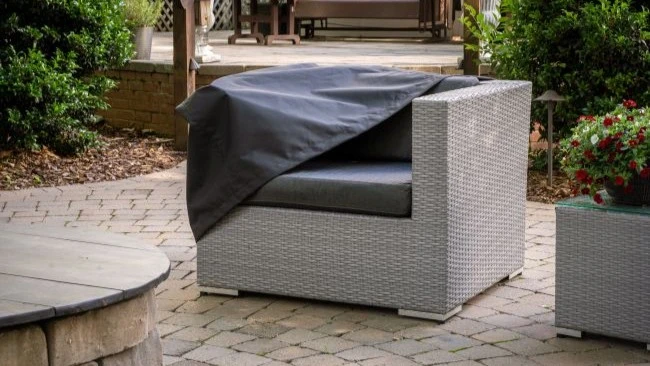
Outdoor living spaces - from residential patios to commercial outdoor dining venues - require targeted care to extend the life of cushions and enclosure shades.
- Deep Vacuuming: Using the correct attachments on your vacuum, go over your sofas, chairs, and ottomans. Don’t forget to remove cushions and vacuum the frames and underneath. This can remove the loose dirt that can get ground into the fabric over time.
- Clean and Dry Outdoor Cushions: Spot-clean or wash removable cushion covers following manufacturer care instructions. Ensure foam interiors are completely dry before storing them in a cool, dry indoor space. Never store damp cushions in sealed plastic containers, as this traps moisture, creating an ideal environment for mold or mildew growth.
- Maintain Regular Checks: Even when prepared, occasional winter weather can take an unexpected turn. Perform regular checks of outdoor furniture to assess any potential damage early on. Small touch-ups can go a long way in prolonging the life of your outdoor furniture.
Perimeter Inspection
Protecting your outdoor fabric structures also means managing the environment directly around them. Be sure to prune any dead or heavy tree branches hanging near awnings, shade sails, or boat storage areas. Ice, snow, and strong autumn winds can snap weak limbs, causing severe structural damage to fabric and frames below.
For custom shade sails or tensioned structures being taken down or winterized, inspect ratchets, tension cables, and ground anchors for wear or rust. Store tensioning hardware in a dry location if the structure is dismantled for the season.
Prepare for Winter with Confidence
A small investment of time in the fall prevents potential costly repairs and replacements come spring. By following a structured maintenance routine, you protect both the functionality and beauty of your outdoor installations.
Looking for professional-grade maintenance supplies, specialty cleaners, replacement hardware, or protective fabrics? Explore Trivantage’s resource center of maintenance guides, product catalogs, and other support materials to keep your outdoor spaces and marine gear protected all year long.
Written By

Kelsey D. Fox