


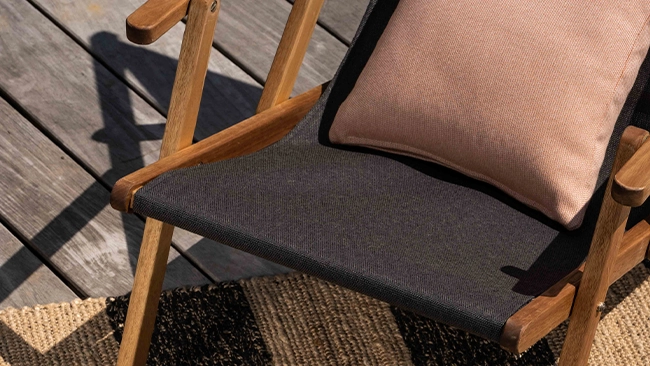
Sling chairs provide a comfortable place to relax and often require an essential, hidden component to retain structure and comfort. That component is the spline, and the material it's made from is crucial for the chair's durability and performance. Explore the technical aspects of polyethylene sling chair spline, from its material properties to installation and troubleshooting. Understanding this essential part can help you maintain your outdoor furniture for years to come.
What is Polyethylene Sling Chair Spline?
In sling-style patio chairs, a flexible fabric sling is stretched taut within a metal frame. The edges of this fabric are sewn to create a pocket or channel. The sling chair spline, a solid, flexible rod, is inserted into this channel. This entire assembly (fabric with the spline inside its edge) is then slid into a groove, or rail, that runs along the chair's frame.
The spline's primary role is to act as an anchor. It secures the fabric sling firmly within the frame's rails, holding it under tension to create the seating surface. Without a quality spline, the fabric would pull out of the frame, rendering the chair unusable. Polyethylene has become a leading material for this application due to its unique combination of properties.
Material Properties of Polyethylene
Polyethylene (PE) is a thermoplastic polymer known for its versatility and durability. These characteristics make it an ideal material for outdoor furniture components like splines.
- Flexibility and Strength: Polyethylene strikes an important balance between flexibility and rigidity. The spline needs to be flexible enough to bend with the curve of the chair frame during installation without kinking or breaking. At the same time, it must be strong enough to withstand the constant tension from the stretched fabric and the weight of a person sitting in the chair. PE’s molecular structure allows for this semi-rigid yet pliable nature.
- Chemical and UV Resistance: Outdoor furniture is constantly exposed to the elements. Polyethylene is highly resistant to a wide range of chemicals, including cleaning agents, chlorine from pool water, and acidic rain. More importantly, it has excellent resistance to ultraviolet (UV) radiation from the sun when formulated with UV inhibitors. This prevents the material from becoming brittle, cracking, or degrading over time, which is a common failure point for lesser plastics like standard vinyl.
- Water and Temperature Resistance: As a non-porous material, polyethylene does not absorb moisture. This property prevents it from swelling, rotting, or developing mildew when exposed to rain and humidity—a critical feature for any outdoor product. It also maintains its integrity across a wide temperature range, resisting deformation in summer heat and avoiding brittleness in cold weather.
Where to Buy Sling Chair Spline
Shop Trivantage for sling furniture supplies sure to fit any application need. From solid 7/32" spline to hollow 1/4" spline, a wide variety of sling fabrics, and essential hand tools, we’ve got you covered.